British Transport Police (BTP) is to expand its trial of Live Facial Recognition (LFR) technology into Transport for London (TfL) Underground stations.
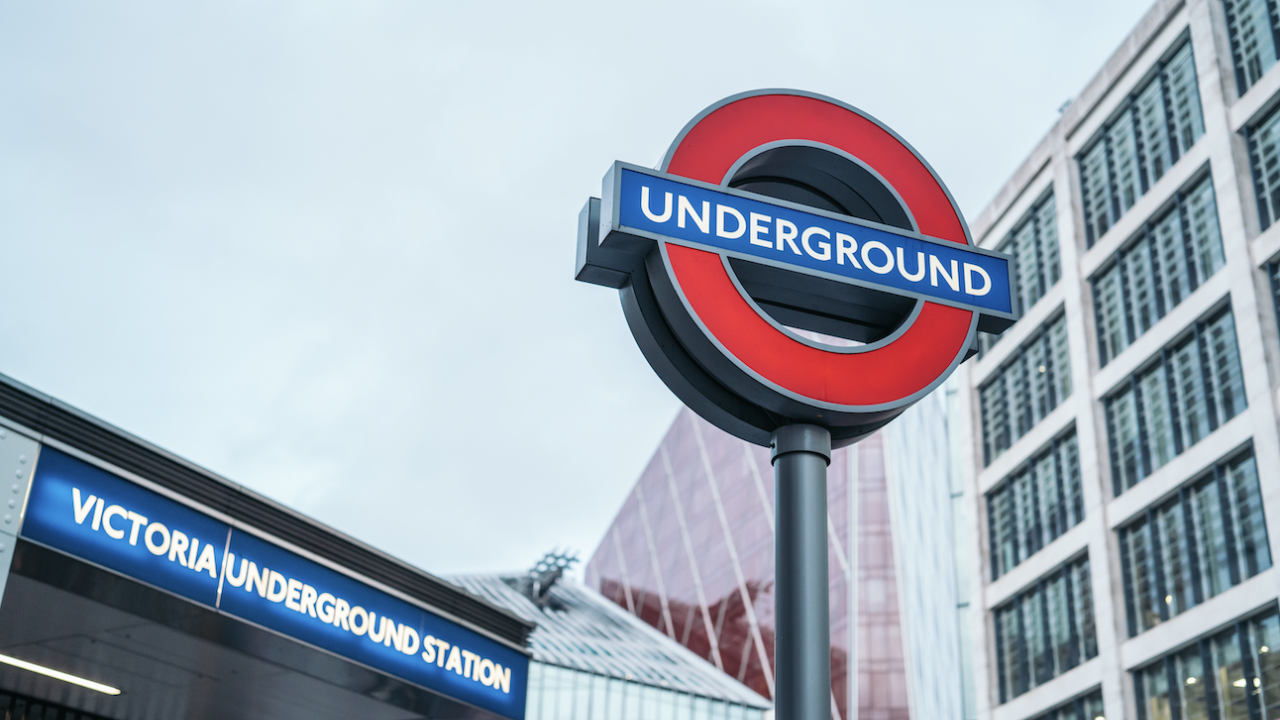
The first deployment will be Victoria Underground station on Tuesday 11 August. It will then rotate between deployments at Underground and Network Rail stations.
The trial is ongoing and has been extended until November.
The deployment is part of a project involving BTP officers and colleagues at TfL, the Rail Delivery Group, the Department for Transport and the Mayor's Office. to assess how the technology performs in a railway setting.
The cameras will scan faces and compare them to a watchlist of people who are wanted by the police or courts, or who are subject to conditions designed to protect the public. When a match is identified, the system generates an alert, which will be reviewed by an officer. The officer will carry out further checks and decide whether any further action is necessary.
BTP said that those who prefer not to enter the recognition zone will have alternative routes available and images of anyone not on the authorised database will be deleted immediately and permanently.
Dates and locations of all BTP LFR operations will be published on BTP's website and social media before they take place.
Chief Superintendent Chris Casey, BTP's senior officer responsible for the project, said: "This marks an important new stage in our trial of Live Facial Recognition technology.
"Expanding deployments into London Underground stations will help us assess the technology in a different transport environment while continuing to refine how it is used across the railway network.
"Our deployments are intelligence-led and focused on identifying people wanted by the police or courts, including those suspected of serious offences and those who may be breaching bail conditions or court orders.
"Our focus remains on protecting the public, preventing crime and bringing offenders to justice, while ensuring the technology is used lawfully, proportionately and transparently."
Siwan Hayward, Director of Security, Policing and Enforcement at Transport for London, said: “Live facial recognition has the potential to be a powerful additional tool in helping police quickly identify those wanted for high-harm offences, including sexual offences, and supports early intervention and helps stop incidents before they happen.
“This trial is an important step in understanding how this technology can be used on the London Underground in a targeted, proportionate way with strict safeguards in place. We will be monitoring and assessing the impact of LFR through this trial over the next four months.”